Restaurant
What Is the Most Profitable Restaurant Concept?
Daniel Dorum
Quick Answer: Most Profitable Concepts At a Glance
Average restaurant profit margins are small at about 2 to 6%, so the best concepts are the ones with low overhead, high markup, or very fast volume.
| Concept | Why it wins | Key numbers you can use right away |
|---|---|---|
| Bars | Alcohol has the highest markup, so net margins are higher | Net margin is often 10 to 15%, and the bar and nightclub industry was expected to grow by 16.4% in 2022 |
| Food trucks | Low rent and low overhead with the ability to move | Over 34% of food truck chefs experiment with menus, and more than half reported earning $150,000 or more |
| Cafes | High gross margin with lower startup costs | Gross margin is often 75 to 80% or higher, owners can make $60k to $160k, and only 33% last more than 10 years |
| Ghost kitchens | Delivery only and no dining room to pay for | Lower labor and rent, commissary kitchens include equipment, and online ordering reduces third party fees |
| Pizza | Cheap ingredients and big demand | Typical profit margin is about 15%, there were 75,117 pizza restaurants in 2021, and sales were about $45.59B |
| Pasta and ramen | Low cost ingredients with a high menu price | Pasta market is expected to nearly double in the next six years, and bowls can sell for over $30 |
| Fast casual | Strong demand and a growing market | Market expected to reach $209.1B by 2026, up from $125.6B in 2019 |
| QSR | Huge market with high order volume | Market was $259.17B in 2019 with 5.1% CAGR from 2020 to 2027, and profit margin can reach about 6 to 9% |
| Diners and breakfast | Low food cost and high all day demand | 55% of consumers would order breakfast more often if it was all day, and 37% of diners age 18 to 35 prefer breakfast |
Profit rules of thumb
- Average restaurant profit margin is 2 to 6%.
- Bars often hit 10 to 15% because alcohol has the highest markup.
- Meat costs more than veggies, so limited meat menus can be cheaper to run.
Alcohol = Make money
Reality check Michelin stars look great, but a study of New York City restaurants from 2000 to 2019 found that Michelin star restaurants were more likely to close than those without stars. A star can push up rent, wages, supplier costs, and guest expectations.
Why there is no single winner
There is no one concept that is always the most profitable. The average restaurant only clears about 2 to 6%. The concepts below win because they either keep costs low, price high, or serve fast.
Bars are the margin leaders
Bars have the highest profit margins in the restaurant industry. Alcohol has the highest markup, and that raises net profit.
Typical bar profit ranges
- Bar net profit margin is usually 10 to 15%.
- Bar and grill net profit margin is about 7 to 10%.
- Neighborhood pub net profit margin is about 10 to 15%.
- Wine bar net profit margin is about 7 to 10%.
Why wine bars can do extra well
- Wine by the glass has high markups.
- A wine bar with a wine shop can raise net profit because more wine is sold through retail.
- Wine bars often have lower operating, labor, and utility costs because there is no draft beer system to manage.
Food trucks: low overhead and high flexibility
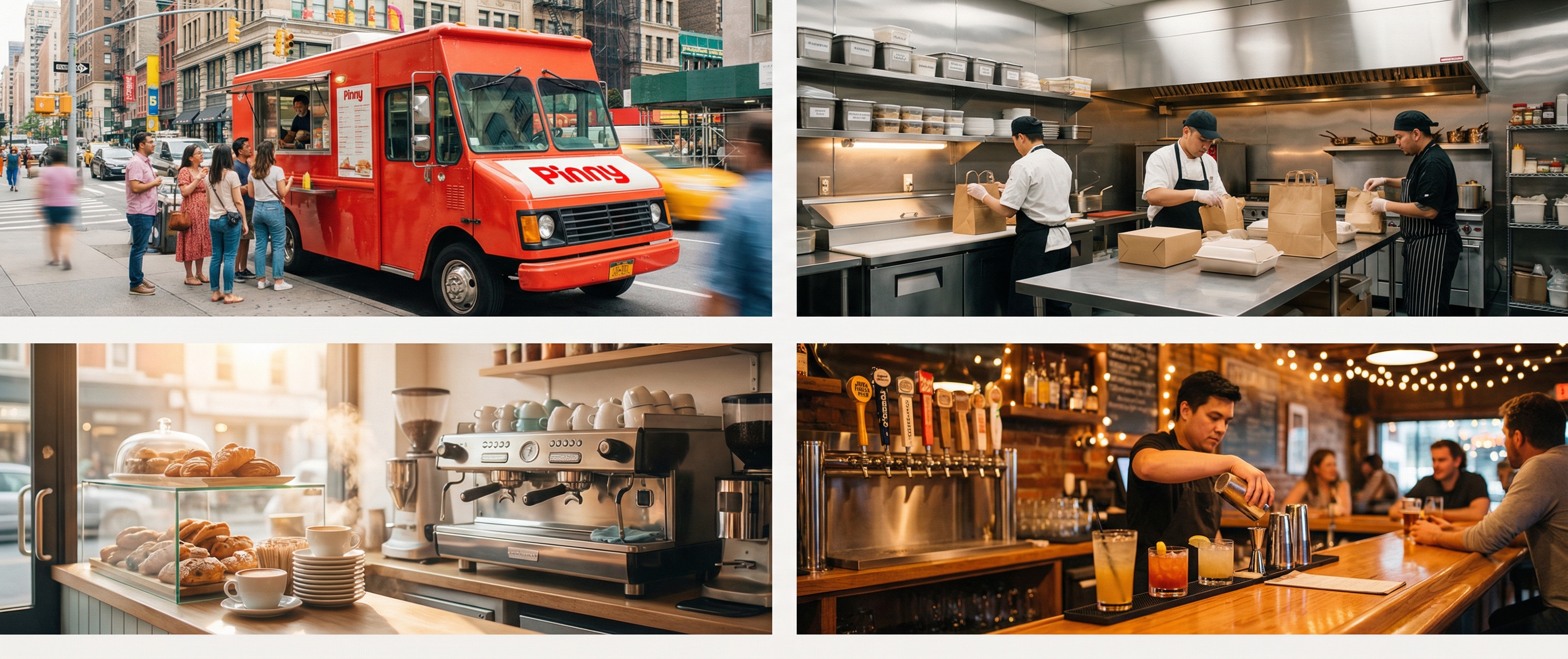
Food trucks are a popular and profitable option because they need less real estate and lower overhead than a brick and mortar restaurant. You can move to where demand is higher.
- Smallbizgenius reported that over 34% of food truck chefs regularly experiment with menus.
- Food Truck Empire found that more than half of vendors earned $150,000 or more.
Once you have online ordering, it gets easier to sell quickly. If you want help with this, Cuboh can help you get started.
Cafes: high gross margin with simpler operations
Coffee shops are easy to start and can be highly profitable.
- Gross margin is usually 75 to 80% or higher.
- Successful owners can make $60k to $160k annually.
- Only 33% of coffee shops last more than 10 years.
Why cafes can win
- Lower startup costs, fewer employees, and smaller kitchens.
- A self-ordering kiosk can speed up orders and reduce labor at the register.
- You might find an existing location with furniture, which lowers build out costs.
Ghost kitchens: delivery only and low fixed costs
Ghost kitchens have no storefront and no servers. Orders come online and the kitchen focuses on delivery only.
Why this is profitable
- Lower rent because there is no dining room.
- Lower labor because you mainly need cooks.
- Commissary kitchens often come with equipment already set up.
How to protect margin
- Build your own website and mobile app for ordering.
- This avoids extra costs from third party platforms.
- INFI can help with restaurant websites and mobile apps if you want to cut those fees.
First up are the usual suspects: pizza, pasta, and ramen
Pizza
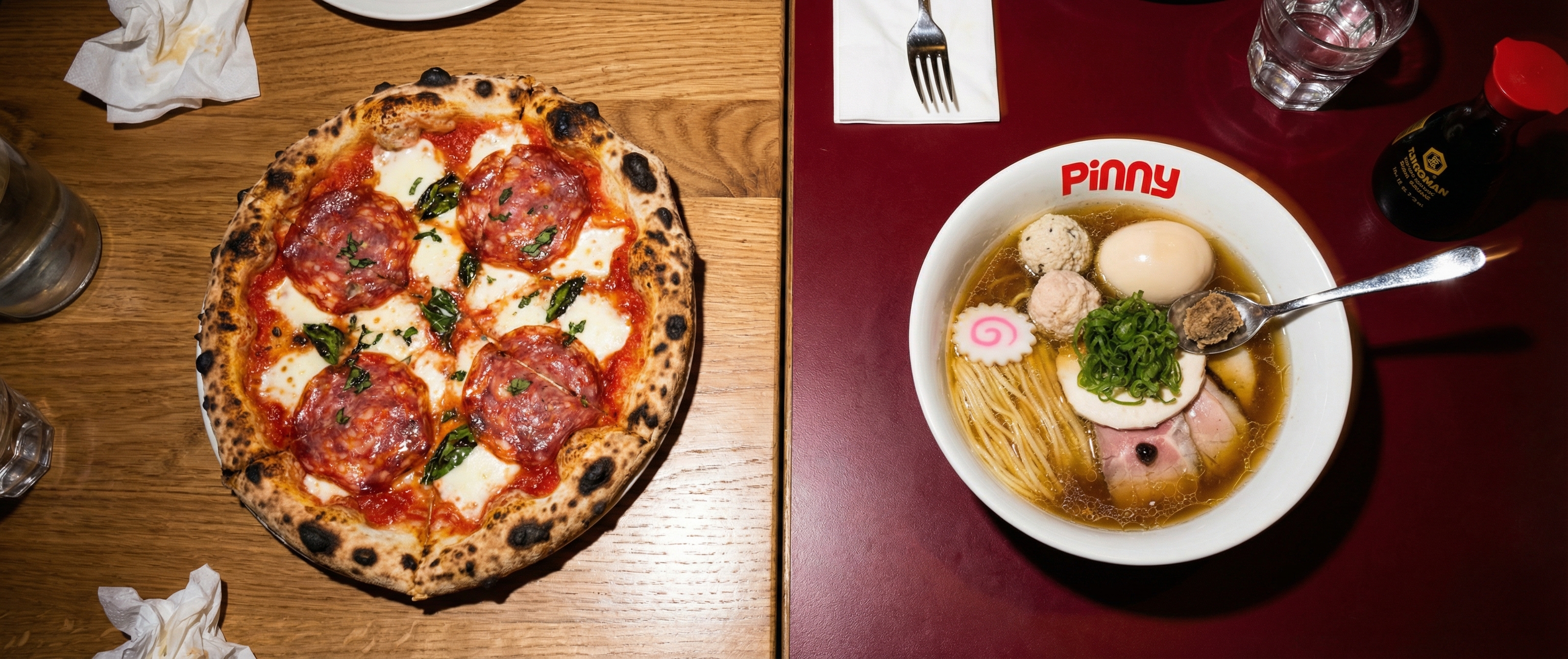
Pizza is a classic low overhead concept with cheap ingredients and high demand.
- A large pie might cost about $0.50 for dough and about $2.00 for other ingredients. That is about $2.50 total.
- If you sell eight slices at $4.00, you bring in $32 on that pie.
- Typical profit margin is about 15%.
- In 2021 there were 75,117 pizza restaurants in the United States, with about $45.59B in sales.
Pizza also works well with a bar, especially if you sell slices late at night.
Pasta and ramen
Pasta and ramen use very cheap ingredients like flour and eggs, but they can be priced high.
- A recent study from Fortune Business Insights says the pasta market is expected to nearly double in volume in the next six years.
- A bowl of ramen or a plate of pasta can sell for over $30.
Fast casual: strong demand with a growing market
Fast casual sits between fast food and full service restaurants. It is not drive-thru, and you usually order at the counter.
- Prices are higher than fast food but still affordable.
- Menus are smaller, which signals quality over quantity.
- The market is expected to reach $209.1B by 2026, up from $125.6B in 2019.
QSR: high volume wins
Quick service restaurants are built for speed and convenience. Customers order at the counter or drive-thru.
- The QSR market size was $259.17B in 2019.
- It is expected to grow at 5.1% CAGR from 2020 to 2027.
- Profit margin can reach about 6 to 9% compared to the 2 to 6% average for restaurants.
- Examples include McDonald’s, KFC, and In-N-Out Burger.
Self-ordering kiosks can help QSRs move faster and lower labor costs. INFI offers self-ordering kiosks that can boost productivity.
Diners and breakfast: cheap food with high demand
Breakfast foods are easy to prepare and use very affordable ingredients. Breakfast focused restaurants can be very profitable.
- 55% of consumers would order breakfast items more often if they were served all day.
- 37% of diners age 18 to 35 prefer breakfast.
Extended hours and all day breakfast menus can help a diner sell more without adding complex dishes.
Simple profit boosters you can use in any concept
- Keep meat limited since meat costs more than veggies.
- Use alcohol when it fits, because alcohol has high markup.
- Use online ordering to lower costs from third party platforms.
- Keep menus focused so prep is fast and waste stays low.
Michelin stars do not mean big profits
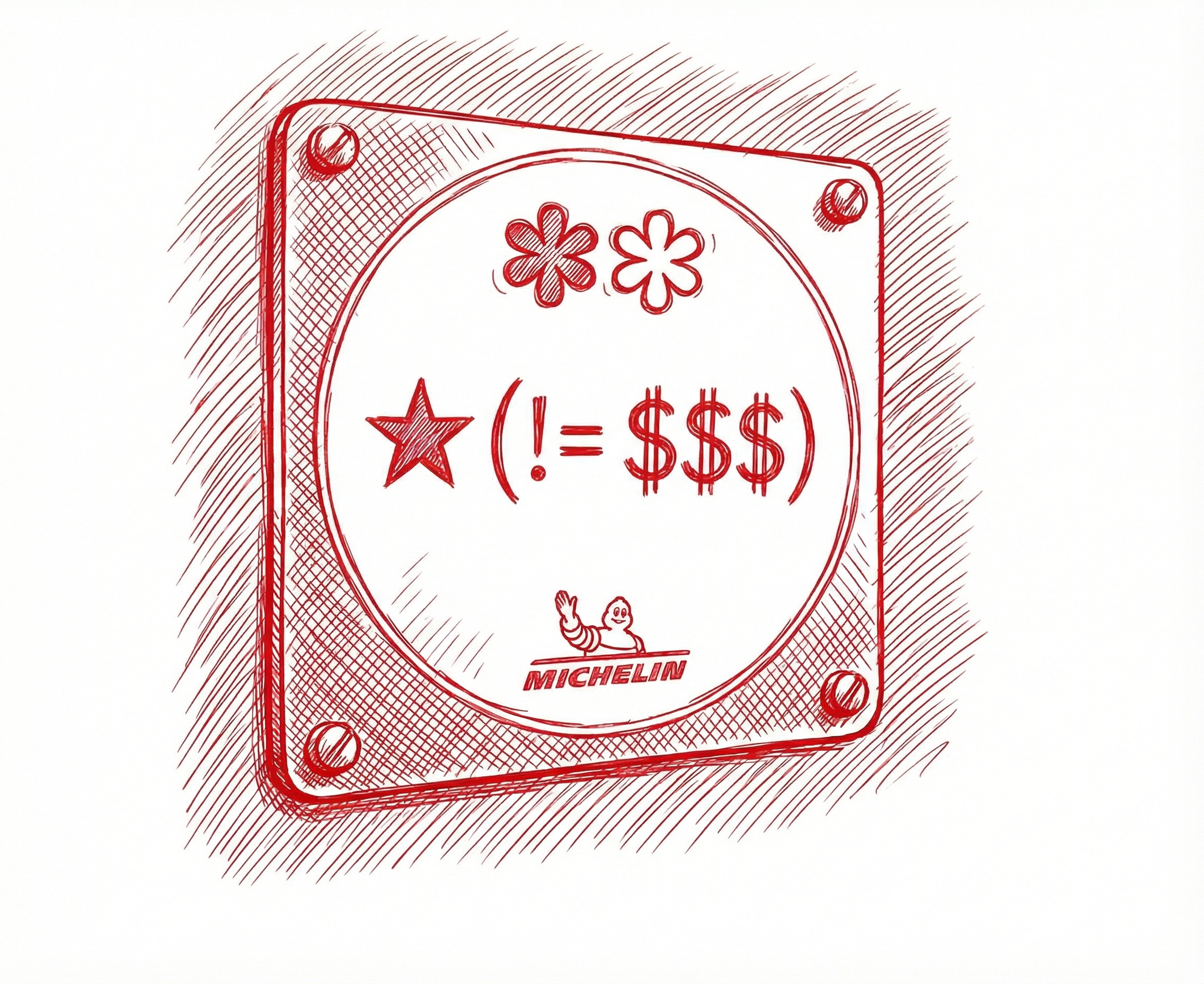
Earning a Michelin star sounds great, but the numbers do not always follow. Researchers at the University of London studied New York City restaurants from 2000 to 2019 and found that Michelin star restaurants were more likely to close than those without stars. A star can raise rents, wages, supplier prices, and guest expectations.
Final thoughts
The most profitable restaurant concept depends on what you can do best. If you want the highest margins, bars often win. If you want the lowest overhead, food trucks and ghost kitchens are strong choices. If you want big volume, QSR can work well.
The restaurant industry keeps evolving, so look for tools that raise speed and cut costs. INFI can help you add self-ordering kiosks, restaurant websites, and mobile apps to boost efficiency and profits. Contact us to learn more about how to grow your restaurant.